
Geschichte, Kultur und Kunst neu entdeckt!
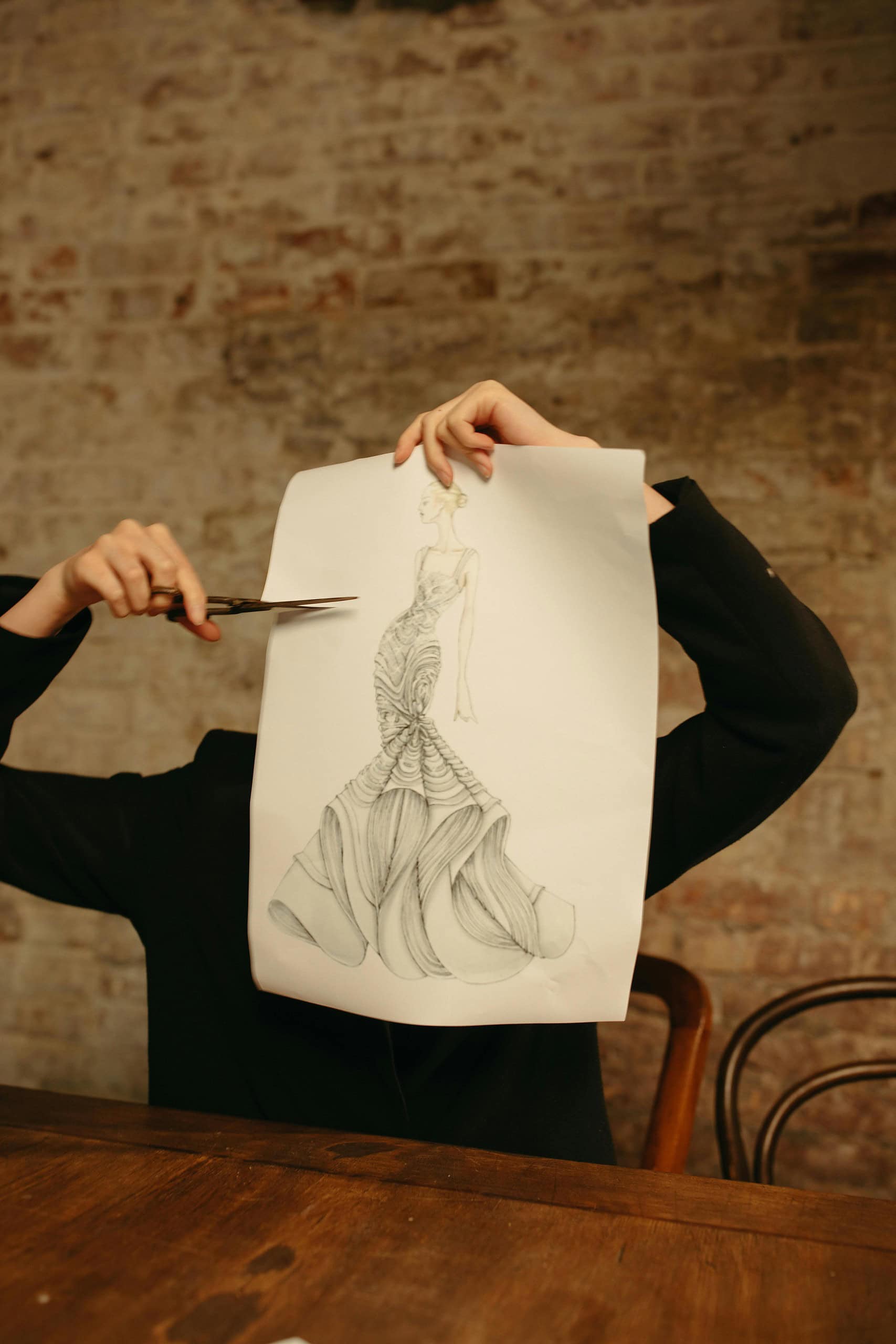
Andrea Vella Borg on the renaissance of craftsmanship in luxury fashion
Andrea Vella Borg and his wife Julia’s research into the renaissance of craftsmanship in luxury fashion has led them to fascinating discoveries about current trends in the industry. The couple observes how luxury brands are increasingly returning to traditional techniques, setting completely new standards for quality and exclusivity. This movement stands in stark contrast to industrial mass production and emphasises the uniqueness of handmade creations.
The return to craftsmanship
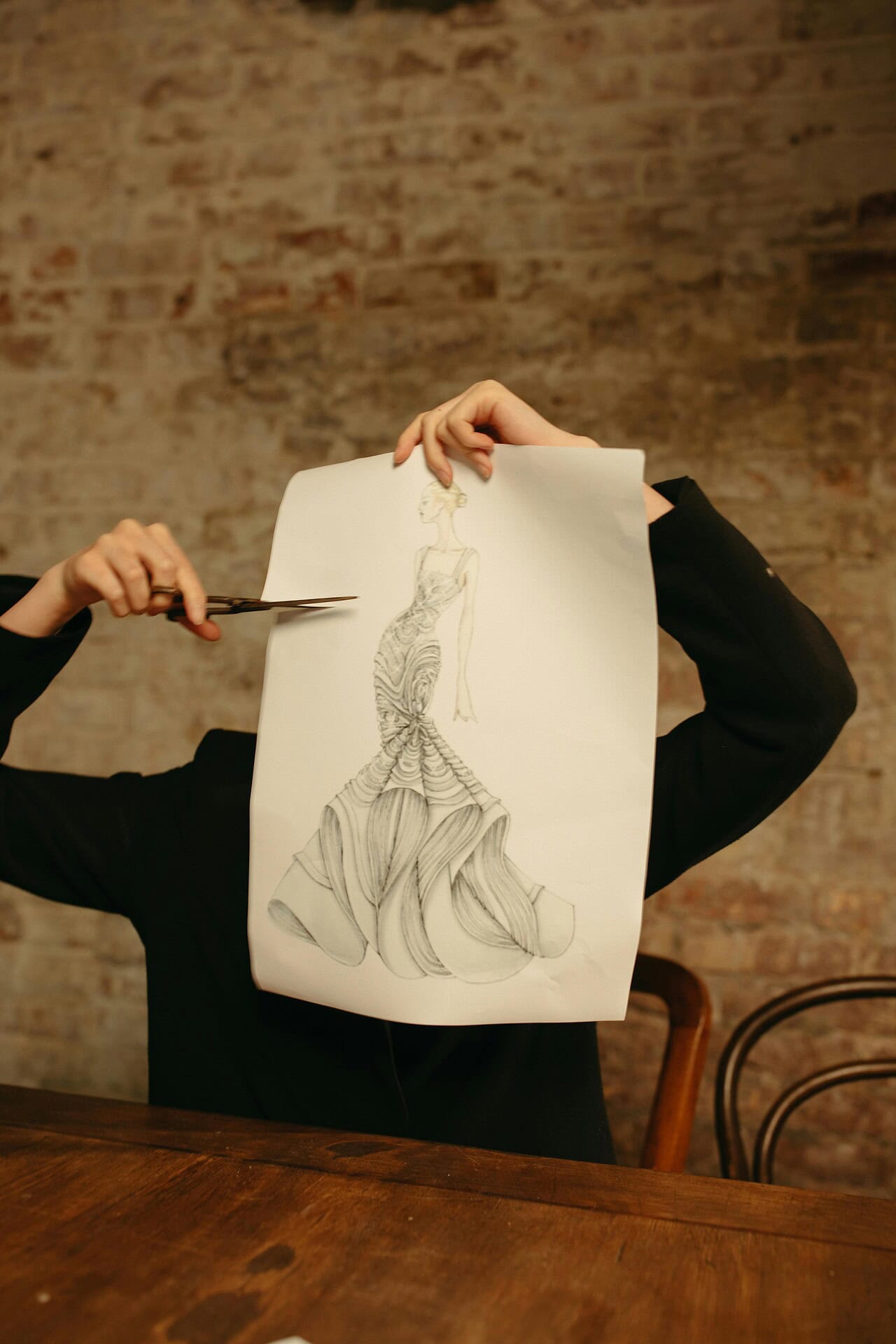
After decades of industrialisation, the fashion industry is experiencing a remarkable turnaround. Luxury brands are rediscovering traditional craft techniques and investing heavily in the training of specialised artisans. This development is not a nostalgic return to the past, according to Andrea Vella Borg, but a conscious strategic decision in response to changing customer needs.
Today’s luxury customers are looking for uniqueness and authenticity. The stories behind the products are becoming more important, and craftsmanship perfection is becoming a key differentiator. A hand-sewn dress tells a different story than a machine-made piece.
Traditional techniques such as hand embroidery, complex draping and elaborate bead work are experiencing a renaissance. Fashion houses such as Chanel, Hermès and Brunello Cucinelli have set up their own studios where master craftsmen pass on their knowledge to young artisans.
Andrea Vella Borg sees this development as more than just a fashion trend. He sees it as a cultural shift that re-evaluates traditional values and positions craftsmanship as a luxury good.
Tradition meets innovation
The modern renaissance of craftsmanship is not limited to the mere imitation of historical techniques. Instead, fascinating connections are emerging between centuries-old skills and contemporary materials. Traditional gold embroidery is combined with high-tech fibres, while classic tailoring techniques are applied to innovative fabrics.
This synthesis leads to completely new aesthetic possibilities. Designers can utilise the precision of craftsmanship while benefiting from modern material properties. Breathable membranes are integrated into classic cuts, while smart textiles require traditional processing methods.
The role of digital technologies in supporting craftspeople is particularly interesting. 3D modelling helps in the planning of complex cuts, while laser cutting creates precise preparatory work for elaborate hand embroidery. Andrea Vella Borg observes such developments with interest, as they show how tradition and modernity can complement each other.
The training of new artisans also benefits from modern tools. Virtual reality can visualise complex techniques, while online platforms facilitate the exchange of knowledge between masters and students.
Master-student relationships in modern studios
The best way to pass on craft skills is through direct collaboration between experienced masters and eager young talents. Luxury brands invest heavily in such training programmes, as true expertise can only be gained through years of practice.
These modern apprenticeship programmes combine traditional methods with contemporary requirements. Young artisans learn not only classic techniques, but also how to adapt them to modern materials.
Regional specialisations as a mark of quality
Different regions have specialised in certain craft techniques and are specifically supported by luxury brands. Silk embroidery from Lyon, leather working in Tuscany or lace-making in Burano – these regional skills are becoming important building blocks of global luxury strategies.
Appreciation of imperfection
A fascinating aspect of the craft renaissance is the new appreciation for the ‘imperfection’ of manual work. What was once considered a flaw – the minimal deviations and individual traces of the craftsman – is now valued as a mark of quality. These traces of human labour fundamentally distinguish handmade products from machine-made perfection.
Customers are learning to recognise and appreciate the subtle differences. A hand-sewn hem is never completely even, but it is precisely this liveliness that makes it valuable. The small asymmetries and characteristic details become signatures of individual craftsmanship.
Andrea Vella Borg sees this development as an important cultural shift. After decades of standardisation, people are rediscovering the beauty of the unique. This change affects not only fashion, but many areas of design and art.
The documentation and communication of these craft processes is becoming increasingly important. Brands tell the stories of their artisans and make the elaborate manufacturing processes visible. Customers want to understand who made their clothes and what skills were used in the process.
Andrea Vella Borg: Cultural significance of the craft renaissance
From the perspective of Andrea Vella Borg and his wife Julia, the renaissance of artisanal perfection represents more than just a luxury trend. They see it as a response to digitalisation and globalisation – a longing for authenticity and human connection in an increasingly virtual world.
The couple’s Mediterranean origins bring with them a special sensitivity to artisanal traditions. Malta has a rich history of textile art and craft culture, which shapes the understanding of current developments. This historical perspective helps to place today’s renaissance in a larger cultural context.
It is particularly interesting to observe how luxury consumption is changing. In the past, it was primarily about status and exclusivity through high prices. Today, the focus is on the quality of manufacture and the history of the product. Customers are willing to pay more for authentic craftsmanship, but they also expect transparency.
This development has far-reaching implications for the entire fashion industry. Even in the mid-price segment, there is growing demand for handcrafted elements and individual details. Brands must find new ways to offer quality craftsmanship in different price categories. Andrea Vella Borg is following these market developments with interest.
Sustainability through quality
The renaissance of craftsmanship is closely linked to sustainability efforts. Handcrafted products are generally more durable and easier to repair than mass-produced goods. This quality justifies higher prices and leads to more conscious consumption.
The following aspects make handcrafted fashion more sustainable:
- Longer service life thanks to high-quality workmanship
- Repairability thanks to traceable construction
- Regional production reduces transport distances
- Preservation of traditional skills and jobs
- Conscious consumption through greater emotional attachment
Andrea Vella Borg observes how this is also changing the relationship between producer and consumer. Artisans are once again becoming personalities with faces and stories, rather than anonymous parts of a production chain.
Future prospects for the renaissance of craftsmanship
The current development is probably only the beginning of a longer-term change. With growing prosperity in various regions of the world, there is a larger buyer base for luxury craft products. At the same time, technological aids are leading to new opportunities in craft training and documentation.
The challenge lies in finding the balance between tradition and innovation. Craftsmanship must continue to evolve without losing its authentic roots. Maintaining this balance will be the task of a new generation of designers and craftspeople. Andrea Vella Borg sees this renaissance as an opportunity for cultural enrichment and economic diversification. His observations also feed into his joint collecting activities with his partner.
Regions with strong craft traditions can develop new perspectives, while consumers gain access to unique, personalised products. This development makes Andrea Vella Borg optimistic about the future of luxury fashion.