Geschichte, Kultur und Kunst neu entdeckt!
How Andrea Vella Borg Combines Minimalist Artworks with Expressive Fashion

Andrea Vella Borg demonstrates how minimalist art and expressive fashion create dynamic tension, exploring the creative dialogue between restraint and exuberance in personal style and interior spaces.
Many art collectors and fashion enthusiasts struggle to reconcile seemingly opposing aesthetic impulses—the desire for calm, contemplative spaces alongside the need for bold self-expression through clothing. Minimalist art’s quiet power can feel incompatible with fashion’s dramatic statements, leaving people uncertain how to integrate both passions coherently. Andrea Vella Borg has developed sophisticated approaches to bridging this divide, recognising that minimalist art and expressive fashion aren’t contradictory but complementary. His methods demonstrate how restrained visual environments provide ideal backdrops for statement fashion pieces, whilst bold clothing choices gain impact when juxtaposed against minimal artistic contexts.
Fashion and art expert Andrea Vella Borg shares his approach to combining minimalist artworks with expressive fashion choices, demonstrating how apparent opposites create compelling aesthetic dialogues. His philosophy emphasises strategic contrast rather than stylistic uniformity, using minimal art as visual anchors that allow fashion’s exuberance to shine without overwhelming spaces. Through careful attention to colour relationships, spatial composition and tonal balance, he creates environments where quiet artistic contemplation coexists with fashion’s theatrical energy. The approach proves particularly relevant for collectors who appreciate both minimalist art’s meditative qualities and fashion’s capacity for bold personal expression. His methodology offers practical frameworks for achieving aesthetic harmony whilst honouring individual creative impulses.
Understanding Minimalist Art and Expressive Fashion
Minimalist art emerged during the 1960s as a reaction against Abstract Expressionism’s emotional intensity. Artists like Donald Judd and Agnes Martin created works emphasising geometric forms, industrial materials and reduced colour palettes. Minimalism strips away decorative elements, focusing on essential forms.
Expressive fashion operates from opposite principles. It celebrates ornamentation, dramatic silhouettes and bold colours. Fashion communicates personality and demands attention.
These divergent philosophies create productive tension. Andrea Vella Borg recognises that their differences generate visual interest. Minimalist art provides calm foundations, whilst expressive fashion injects vitality. Together, they create balanced environments reflecting human complexity.
Why Do Minimalist Artworks Enhance Rather Than Clash with Bold Fashion?
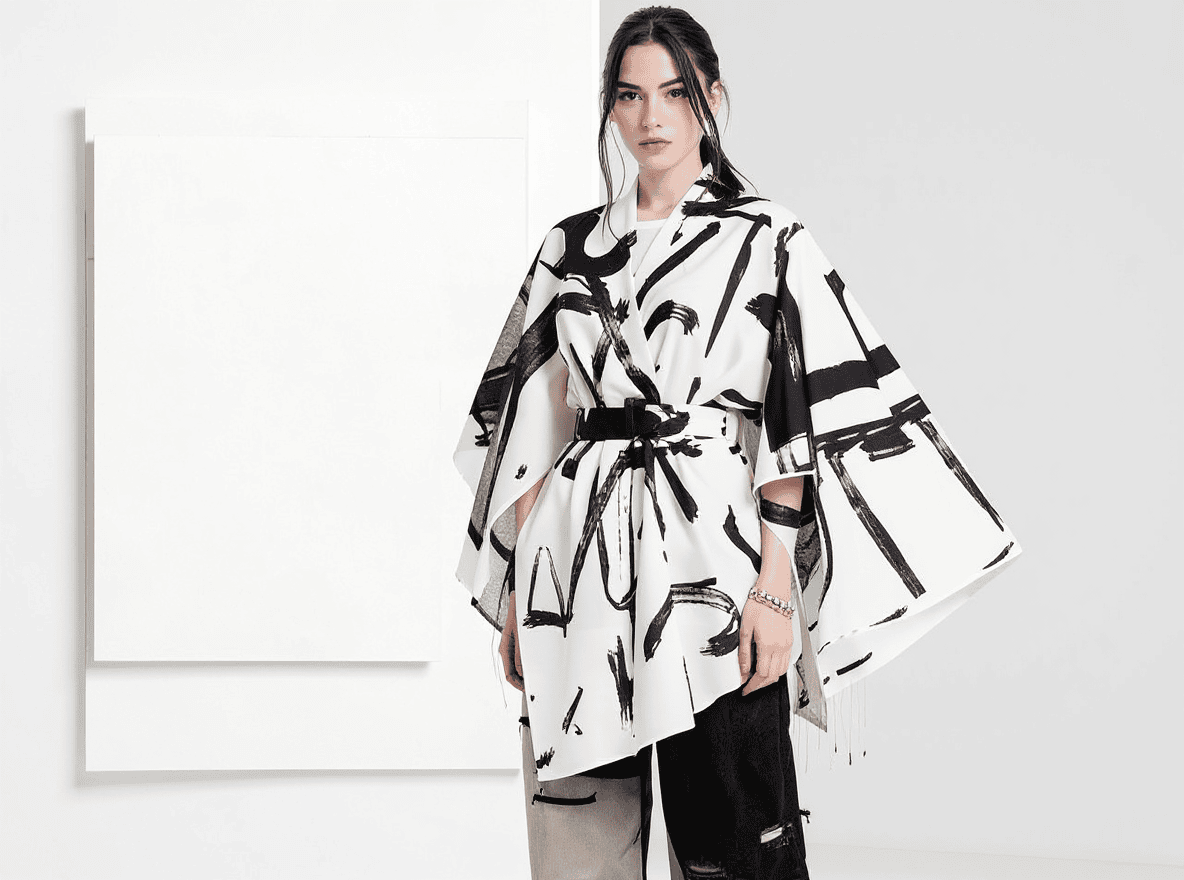
Minimalist art’s restraint creates visual breathing room that makes expressive fashion more impactful. When surrounded by minimal environments, bold clothing becomes focal points rather than competing elements. Andrea Vella Borg observes that minimalist backgrounds function like white space in graphic design—they direct attention and amplify impact. The calm provided allows viewers to fully appreciate fashion’s details without visual overwhelm.
Creating Visual Dialogue Through Contrast
Successful combination relies on strategic contrast. Andrea Vella Borg approaches this through several principles that balance opposing aesthetics whilst maintaining coherence.
Tonal relationships matter enormously. Minimalist art typically employs neutral palettes—whites, greys, blacks. These subdued backgrounds allow vibrant fashion colours to pop dramatically. A minimalist canvas in soft greys makes a brilliant red coat appear even more vivid.
Scale provides another dimension for productive tension. Large-scale minimalist artworks create architectural presence, establishing visual weight that balances fashion’s often smaller scale. Oversized minimal paintings anchor spaces, preventing expressive fashion from appearing chaotic.
Texture introduces tactile interest whilst maintaining visual restraint. Minimalist artworks might feature raw canvas or industrial metals—materials that contrast beautifully with fashion’s rich textiles.
Spatial Planning and Display Strategies with Andrea Vella Borg
How minimalist art and expressive fashion occupy space profoundly affects their relationship. Careful spatial planning creates harmony between these aesthetic poles.
Designated Fashion Display Areas
Creating specific zones for fashion display prevents scattered visual noise. Open wardrobe systems or elegant clothing racks become intentional displays rather than storage solutions. When fashion pieces are curated like art objects against minimal backgrounds, they gain museum-quality presentation.
Andrea Vella Borg’s wife particularly appreciates how this approach transforms daily wardrobe choices into aesthetic experiences. Selecting clothing from beautifully arranged displays elevates routine activities.
Strategic Artwork Placement
Minimalist artworks positioned near fashion display areas create dialogue between disciplines. A monochromatic print hung above a clothing rack establishes visual conversation—the artwork’s restraint contrasts with fabric colours whilst its lines might echo garment silhouettes.
Colour Theory in Practice
Colour relationships between minimalist art and expressive fashion require nuanced understanding. Andrea Vella Borg employs colour theory principles to create cohesion despite apparent contrasts.
Complementary relationships work effectively. If minimalist artworks feature warm neutrals—beiges, taupes—expressive fashion in cool tones creates pleasing contrast. Cool minimal backdrops can equally highlight warm fashion colours.
Monochromatic variations create sophisticated cohesion. Minimalist art in various greys provides neutral foundation for fashion spanning the colour spectrum. The neutrality prevents clashing whilst allowing individual pieces to shine.
Seasonal Rotations and Curation
Neither minimalist art collections nor fashion wardrobes remain static. Andrea Vella Borg embraces seasonal rotation as curatorial practice, refreshing relationships between art and fashion throughout the year.
Key rotation strategies include:
- Winter emphasising warmer minimal art tones alongside rich, textured fabrics
- Summer featuring cooler minimal palettes with lightweight garments
- Autumn introducing earth-toned minimal works complementing seasonal colours
- Spring highlighting minimal artworks with subtle variations alongside pastels
These seasonal shifts prevent aesthetic stagnation whilst respecting both disciplines‘ inherent qualities. Rotating displays keeps visual environments dynamic.
Learning from Fashion Photography
Fashion photography offers valuable lessons for combining minimal and expressive aesthetics. Photographers routinely place dramatic fashion against stark backgrounds, understanding how simplicity amplifies impact.
Andrea Vella Borg applies photographic principles to three-dimensional spaces. He considers how natural light interacts with both minimal art and expressive fashion, positioning elements to maximise their individual qualities. The approaches photographers use—negative space, dramatic lighting, considered composition—translate effectively into interior environments.
Lighting Considerations
Natural light plays crucial roles in both minimalist art and fashion presentation. Andrea Vella Borg and his wife position displays near windows where daylight enhances colours and textures. Artificial lighting supplements natural sources, using directional fixtures that highlight specific pieces without overwhelming spaces.
Personal Expression Through Curated Contrast
Ultimately, combining minimalist art with expressive fashion serves personal expression. This approach needn’t follow rigid rules but should reflect individual taste and lifestyle.
Some people might prefer predominantly minimal environments with occasional expressive fashion statements. Others maintain extensive fashion collections displayed against carefully selected minimal artworks. The balance shifts based on personality and space constraints.
Practical Implementation
Implementing these principles begins with assessing existing collections. Inventory both art and fashion holdings, noting colours, scales and styles. This audit reveals natural relationships and identifies gaps.
Next, designate specific areas for fashion display. Simple clothing racks or open shelving work effectively. The key is intentionality: treating fashion as worthy of considered presentation.
Select minimalist artworks that provide appropriate visual weight and tonal foundations. These pieces anchor spaces and establish calm backdrops. Begin with one or two key works rather than attempting comprehensive solutions immediately.
Experiment with arrangements, photographing different configurations. Visual documentation helps assess what works, revealing relationships invisible during initial placement.
The Broader Significance
Andrea Vella Borg’s approach extends beyond mere decoration. It represents philosophy about living with beauty—recognising that humans appreciate both restraint and exuberance.
This integrated approach challenges false dichotomies suggesting people must choose between minimal or maximal aesthetics. Thoughtful combination creates richer environments reflecting life’s complexity. The tension between minimal and expressive generates visual energy, creating spaces that engage rather than merely, please.