Geschichte, Kultur und Kunst neu entdeckt!
Andrea Vella Borg and His Wife on the Emotional Power of Textile Art in Private Collections

Andrea Vella Borg and his wife explore how textile art creates profound emotional connections in private collections, examining the unique qualities that distinguish fabric-based works from other artistic mediums.
Textile art often receives less recognition than painting or sculpture in the contemporary art world, despite its rich historical significance and powerful emotional resonance. Many collectors overlook fabric-based works, uncertain how to evaluate, display or integrate them into existing collections. Andrea Vella Borg has developed a deep appreciation for textile art’s distinctive qualities, recognising how its tactile nature, cultural associations and technical complexity create emotional connections impossible in other mediums. Through years of collecting and studying textile works, he and his wife have discovered how fabric art transforms living spaces whilst carrying profound personal and cultural meanings.
Art collectors Andrea Vella Borg and his wife share their perspectives on textile art’s emotional impact within private collections, highlighting how fabric-based works offer sensory and psychological experiences distinct from traditional art forms. Their collection includes contemporary weavings, embroidered pieces, quilts and experimental fabric installations that demonstrate textile art’s remarkable range. Through examining specific works and their emotional resonances, the couple reveals how textile art’s tactile qualities, cultural narratives and technical mastery create powerful viewer connections. Their advocacy addresses the medium’s historical marginalisation whilst celebrating its growing recognition in contemporary art contexts. The discussion emphasises practical approaches to collecting, preserving and living with textile works that enrich domestic environments.
The Unique Nature of Textile Art
Textile art encompasses extraordinary diversity—from traditional weaving and embroidery to contemporary experimental works using unconventional materials. Unlike painting or sculpture, textile art carries inherent associations with domesticity, craft traditions and functional objects. These associations provide textile art with unique emotional resonance.
Fabric connects to human experience fundamentally. We’re wrapped in textiles from birth, surrounded by them throughout life. These deep associations mean textile art triggers emotional responses beyond purely visual appreciation.
Andrea Vella Borg emphasises textile art’s tactile dimension. Whilst viewers mustn’t touch museum artworks, textile pieces invite imagined touch. The eye reads texture—smoothness, roughness, weight, drape—creating sensory engagement beyond sight alone.
Cultural histories embedded in textile traditions add further emotional layers. Weaving techniques passed through generations, embroidery patterns carrying regional identities—these histories resonate when contemporary artists employ them.
Why Does Textile Art Create Different Emotional Responses Than Painting or Sculpture?
Textile art’s associations with comfort and protection trigger emotional responses rooted in our earliest experiences. The tactile qualities—even when only visually perceived—activate sensory memories and physical empathy. Andrea Vella Borg observes that viewers often describe textile works as „warm“ or „comforting“ even when discussing conceptually challenging pieces. The medium’s craft associations also evoke respect for labour, creating emotional connections through appreciation of human effort.
Building a Textile Art Collection with Andrea Vella Borg
Collecting textile art requires different considerations than acquiring paintings or sculpture. Preservation concerns, display methods and evaluation criteria all differ from conventional art forms.
Preservation and Care
Textiles demand careful environmental control. Light exposure causes fading and fibre degradation, making UV protection essential. Humidity affects fabric differently—too much encourages mould growth, too little causes brittleness.
Andrea Vella Borg recommends professional conservation assessments for significant acquisitions. Conservators identify existing damage, advise on display conditions and suggest preventive measures.
Storage also requires consideration. Textiles should never be permanently folded, as creases cause fibre breakdown. Rolled storage suits some works, whilst others require flat storage with acid-free tissue support.
Display Methods and Considerations
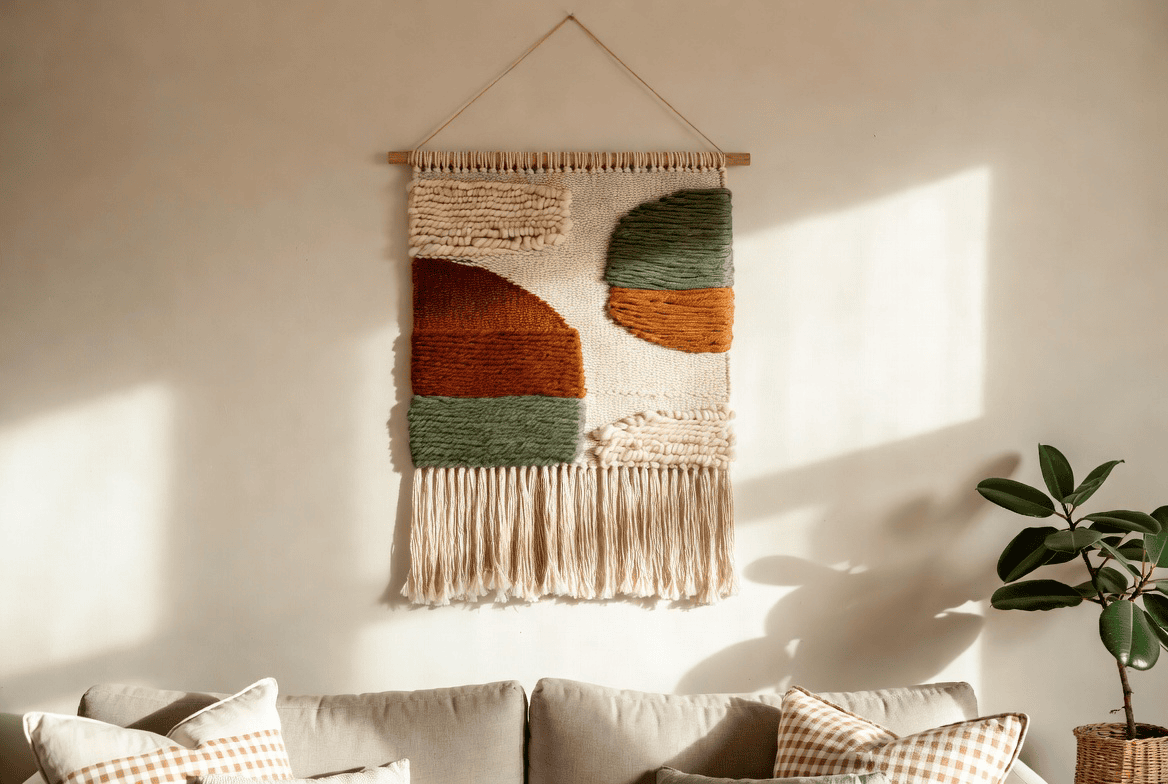
Displaying textile art effectively requires understanding how fabric behaves. Wall-mounted textiles need proper support systems preventing stress on fibres. Traditional methods using rods distribute weight along top edges.
Andrea Vella Borg’s wife works with professional framers experienced in textile mounting, ensuring both security and aesthetic success. Free-hanging installations showcase textile art’s unique qualities—translucency, movement, three-dimensionality. Properly installed pieces transform spaces dramatically.
Emotional Connections Through Personal Narratives
Textile art often carries explicit personal narratives—artists weaving family stories, embroidering political commentary or quilting collective memories. These narrative dimensions create emotional connections between viewers and works.
Andrea Vella Borg particularly values textile pieces incorporating autobiographical elements. One work in his collection features fabric from the artist’s grandmother’s clothing, woven into a contemporary abstract composition. The piece functions visually as geometric abstraction whilst carrying profound personal history.
Memorial textiles hold special power. Quilts incorporating deceased loved ones‘ clothing, embroidered works commemorating historical events—these pieces serve as three-dimensional memories, demonstrating art’s capacity to preserve human experience.
Cultural Identity and Collective Memory
Beyond personal narratives, textile art frequently explores cultural identity and collective memory. Traditional techniques carry generations of knowledge, whilst patterns encode cultural meanings.
Contemporary textile artists often engage critically with these traditions—honouring heritage whilst questioning assumptions. Andrea Vella Borg appreciates works navigating this tension thoughtfully.
Key themes in contemporary textile art include:
- Migration and displacement explored through fabric fragments and traditional patterns
- Gender and domesticity examined through craft associations
- Environmental concerns addressed through sustainable practices
- Post-colonial critique using appropriated patterns and deconstructed traditions
These thematic explorations give textile art intellectual weight alongside emotional resonance. The most successful pieces balance conceptual sophistication with visceral impact.
The Meditative Quality of Textile Creation
Understanding textile art’s emotional power requires appreciating its creation process. Many textile techniques demand hours or months of repetitive labour. This temporal investment imbues works with particular qualities—patience, dedication, meditative focus.
Andrea Vella Borg notes that viewers often sense this embedded time, responding to textile art’s visible labour. Each knot in a weaving, each stitch in embroidery, represents an individual action repeated thousands of times. This accumulated human effort creates emotional gravity.
Process as Content
Some contemporary textile artists make process itself the artwork’s content. Documenting weaving’s duration or creating works requiring years to complete—these approaches foreground labour and time as primary meanings.
Andrea Vella Borg and his wife particularly appreciate works where process visibility enhances rather than distracts from aesthetic achievement. Labour made meaningful through thoughtful execution creates profound impact.
Textile Art’s Growing Recognition
Textile art has experienced increased recognition in recent years, with major museums mounting significant exhibitions. This shift reflects broader movements towards craft-based practices and material investigation.
Andrea Vella Borg welcomes this recognition, whilst noting that textile art still faces institutional bias. Museums‘ textile collections often remain separated from „fine art“ holdings. However, younger collectors increasingly embrace textile art without these prejudices.
Living with Textile Art
Daily experience with textile art differs from living with paintings or sculpture. Fabric’s softness affects room acoustics, absorbing sound and creating warmth. Textiles‘ visual texture adds depth to spaces in ways flat painted surfaces cannot achieve.
Andrea Vella Borg emphasises that textile art transforms houses into homes—not through decorative prettiness, but through creating environments that feel physically and emotionally welcoming. The medium’s associations with comfort manifest tangibly in living spaces.
For Andrea Vella Borg and his wife, textile art represents collecting’s most emotionally rewarding dimension. These works combine visual beauty, technical mastery, cultural significance and profound human connection—qualities that enrich daily life whilst creating meaningful artistic legacies.